Chapter 4: Some lessons from current practice
The United States: 418–421
The sheer volumes of traffic, the enormous numbers of cars, the multiplicity of establishments catering for the needs of motor vehicles and their drivers and the vastness of the engineering works already under-taken
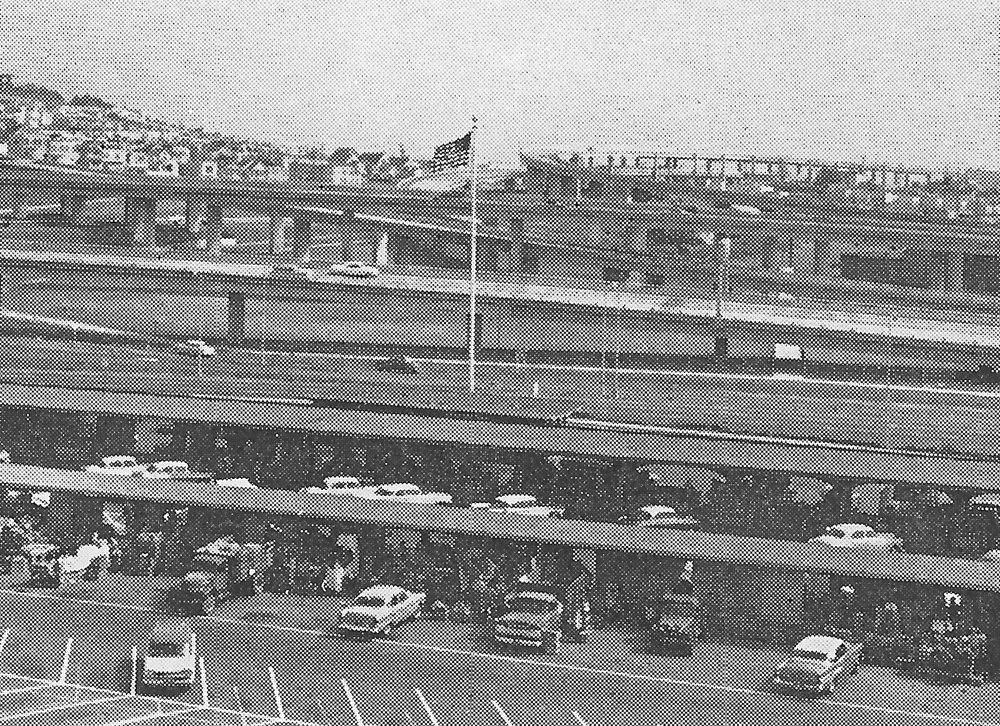
Fig. 236 ‘…the vastness of the engineering works already undertaken’ (San Francisco). 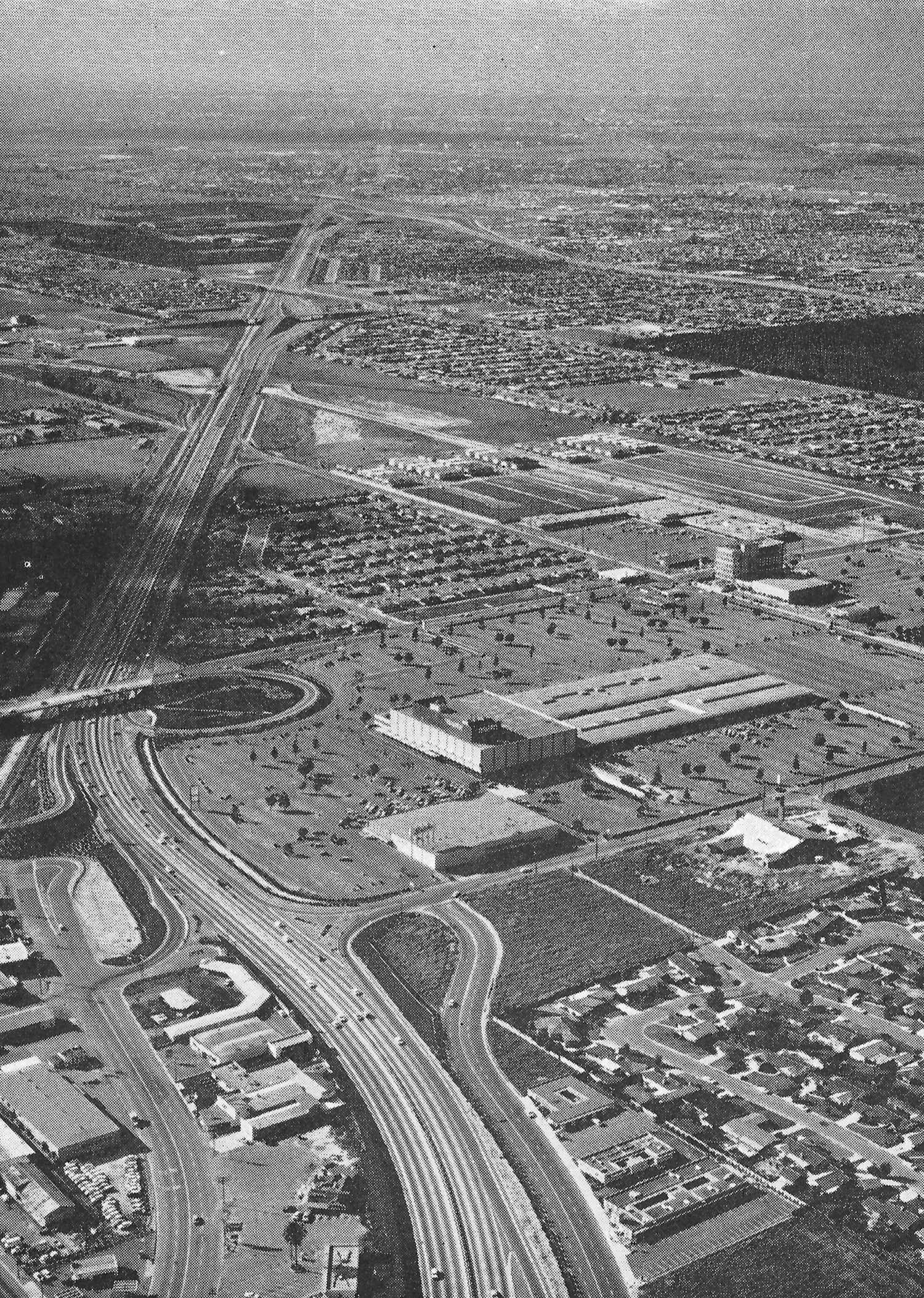
Fig. 237 Californian sprawl, showing a suburban shopping centre with its surrounding car park.
The United States
418The absorbing interest of the United States is that it has gone more than twice as far with the motor vehicle as we have in this country. The ratio of vehicles per 1,000 persons is 410 compared with our own figure of 193. The total number of vehicles is 75 millions. These figures are reflected in the powerful impression a visitor receives of a mobile society. The sheer volumes of traffic, the enormous numbers of cars, the multiplicity of establishments catering for the needs of motor vehicles and their drivers and passengers, and the vastness of the engineering works already under-taken, all these make a deep and abiding impression. Yet further large increases in the numbers of vehicles are anticipated, partly because the national population is expected to double by the end of the century, and partly because there is still room for the further intensification of owner-ship. Surprising though it may seem, 26% of the families are still without vehicles, and there are others who would like to have two, three or even four cars. Already in California joking references are sometimes made to the ‘under-privileged two-car family’.
419There are many differences between conditions in the United States and in this country which need to be understood if fair deductions are to be drawn. One of the most important is that there is no statutory land-use planning system comparable with the highly sophisticated system which has been evolved in this country. It is not true to say there is no planning, but it does appear to be the case that development largely takes place according to the play of the property market as influenced by the decisions of a very large number of local authorities (many quite small) exercising somewhat elementary zoning powers. The position varies from State to State, but it is said that Houston (Texas), which has grown up without the exercise of any zoning powers at all, is little different from many another American city.
In the absence of any different policy city development has taken the form of sprawl. The sprawl is truly enormous. Greater Philadelphia with a population of 5 millions is already 30 miles across. A journey across Baltimore and then Washington provides nearly 60 miles of unbroken urban development. Los Angeles is 80 miles long, and still growing. The root cause of sprawl is the tremendous population explosion by natural increase, though in California the effect is enhanced by westward migra-tion. The sprawl takes the form that it does primarily because peripheral spread is the 'natural' easy way for a town to expand, and because there has been no effective planning machinery to direct expansion into any other form. But high car ownership, and the post-war mortgage system of the Federal Housing Authority, which has been tied very largely to detached free-standing houses, have powerfully influenced the suburban character of the sprawl.
421These enormous spreads of development do not consist only of suburban houses. In the course of time all kinds of development have sprung up—in particular, scattered industry on a big scale, great suburban shopping centres, and major recreational centres such as Disneyland at Los Angeles. This spread and scatter of different activities has, as might be expected, generated cross-currents of movement of the greatest complexity. In many of these metropolitan areas, so great has been the scatter, that the dominating movements are no longer the flows into the centre of the city, but cross-flows between activities on the outer ring. This is especially the case where, as at Los Angeles, there has been a decline in the importance of the central or ‘downtown’ area.