Chapter 4: Some lessons from current practice
Consideration of Urban form: 428–429
If only one-third of these people attach themselves to London, or even settle in the south-east of England, as they may well seek to do, the planning problems will be formidable indeed.
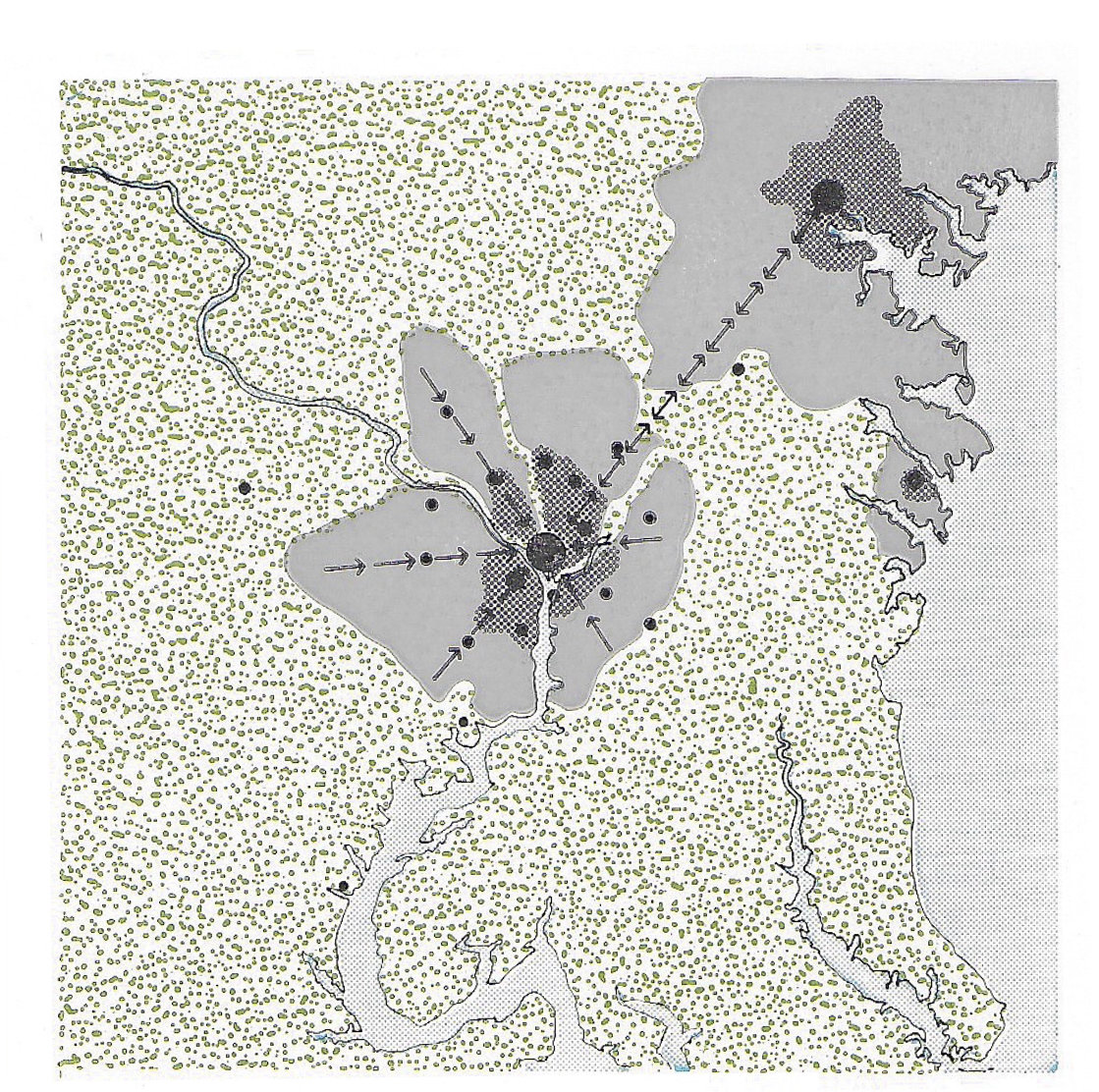
Fig. 245 Alternative possibilities for the future of Washington. (1) Restriction to present size by a green belt 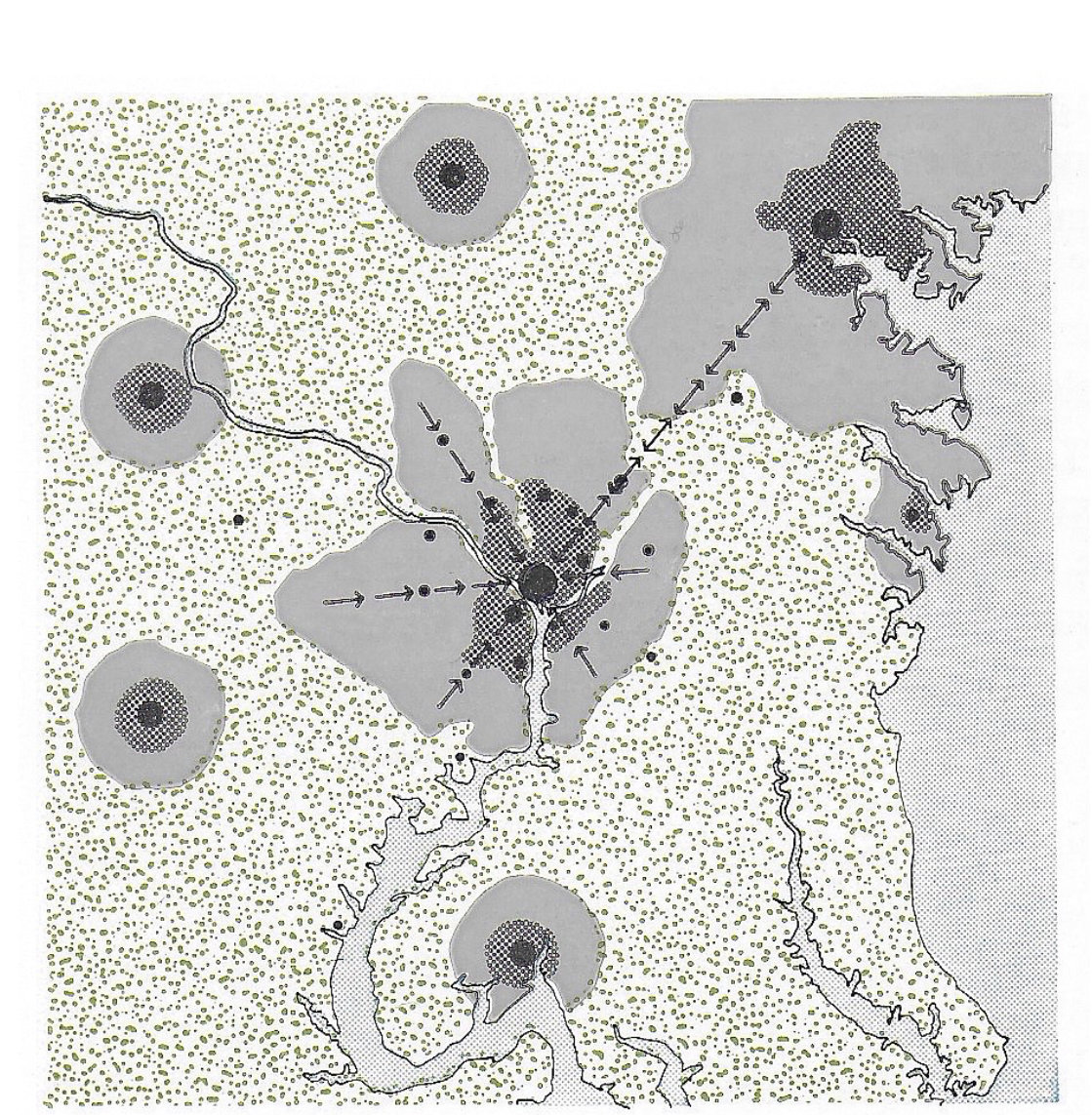
Fig 245 (2) Expansion by independent cities 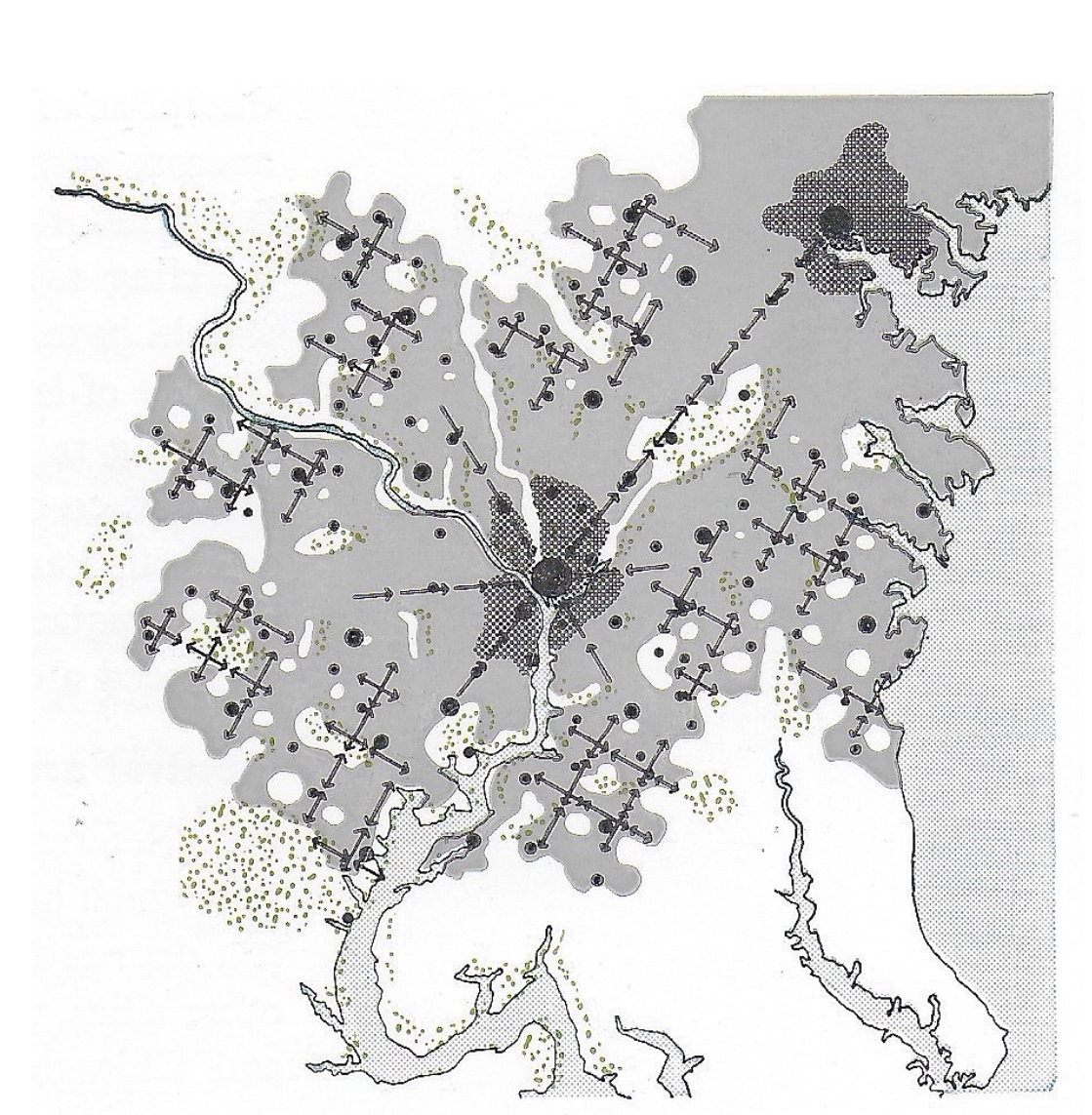
Fig. 245 (3) Planned sprawl 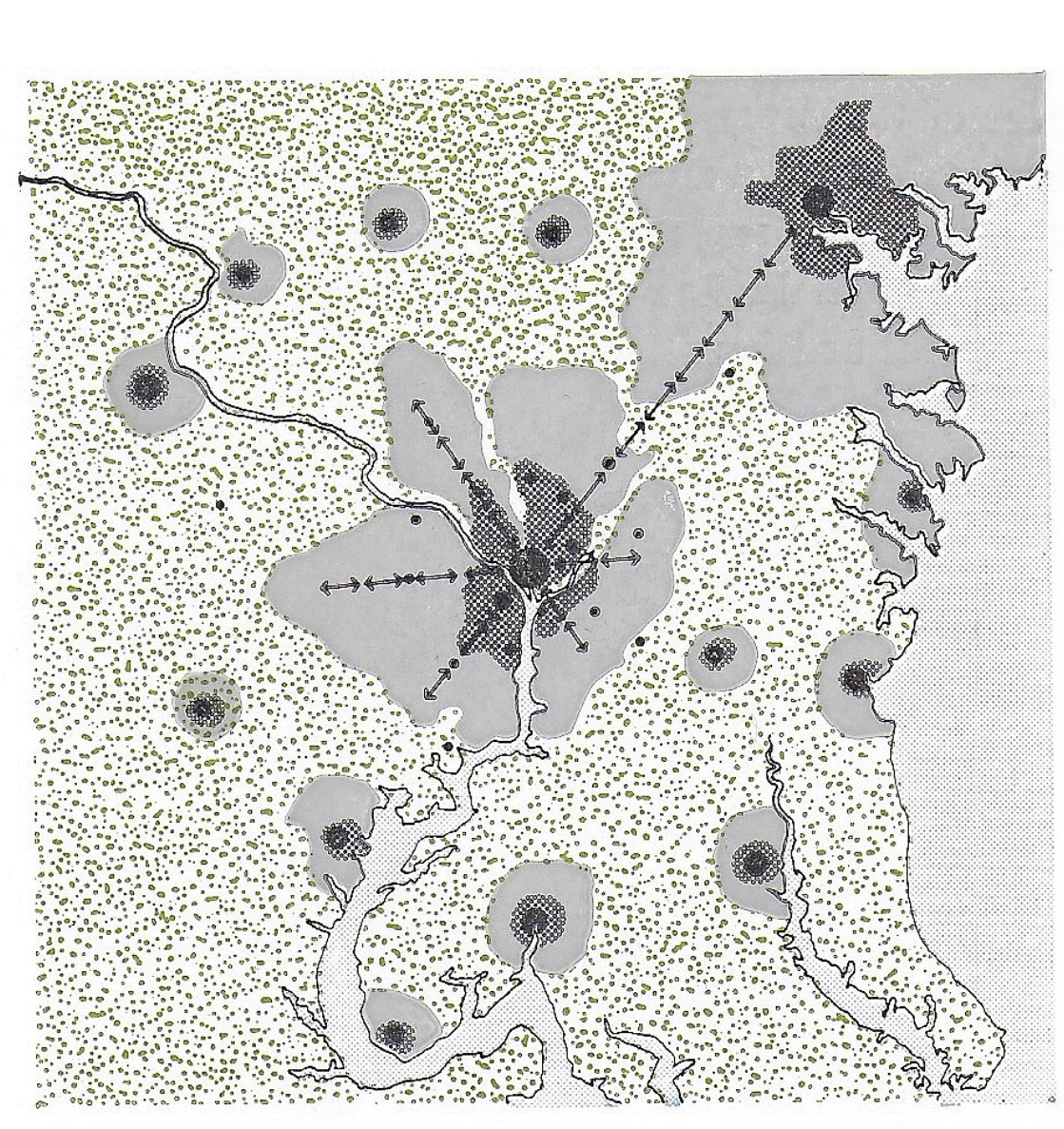
Fig 245 (4) Satellite new towns 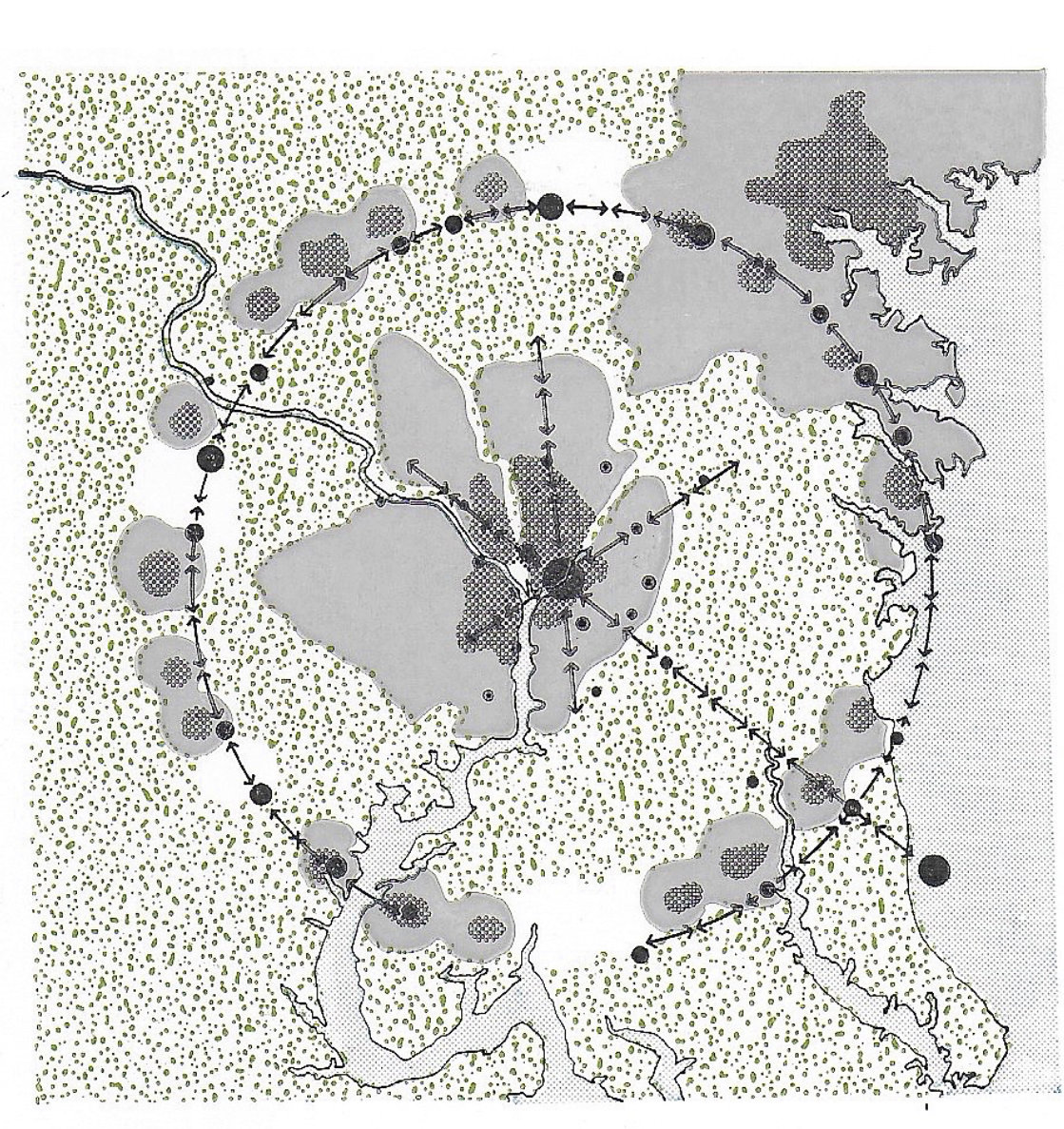
Fig. 245 (5) A circumferential ring of towns. 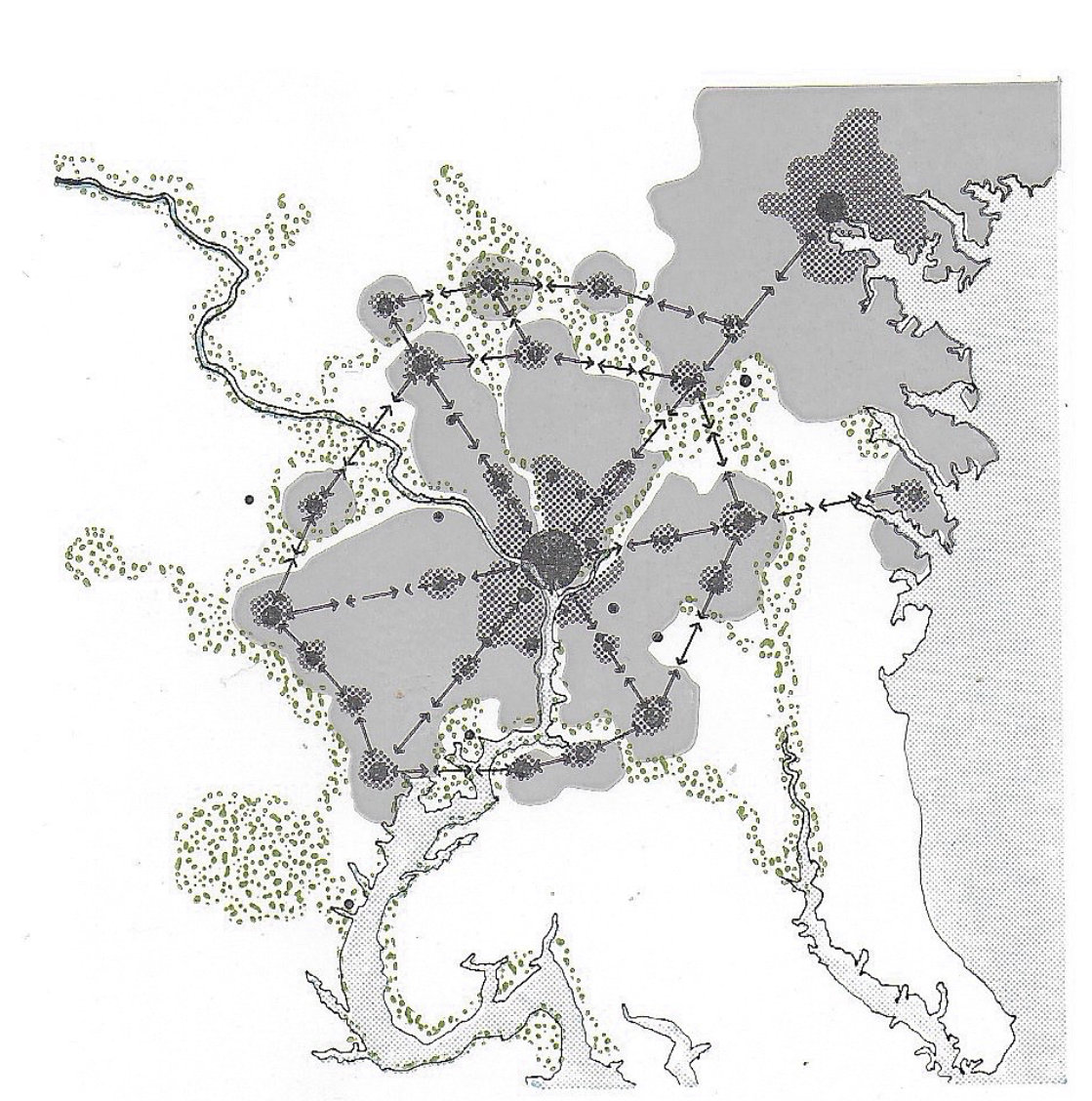
Fig 245 (6) Peripheral communities 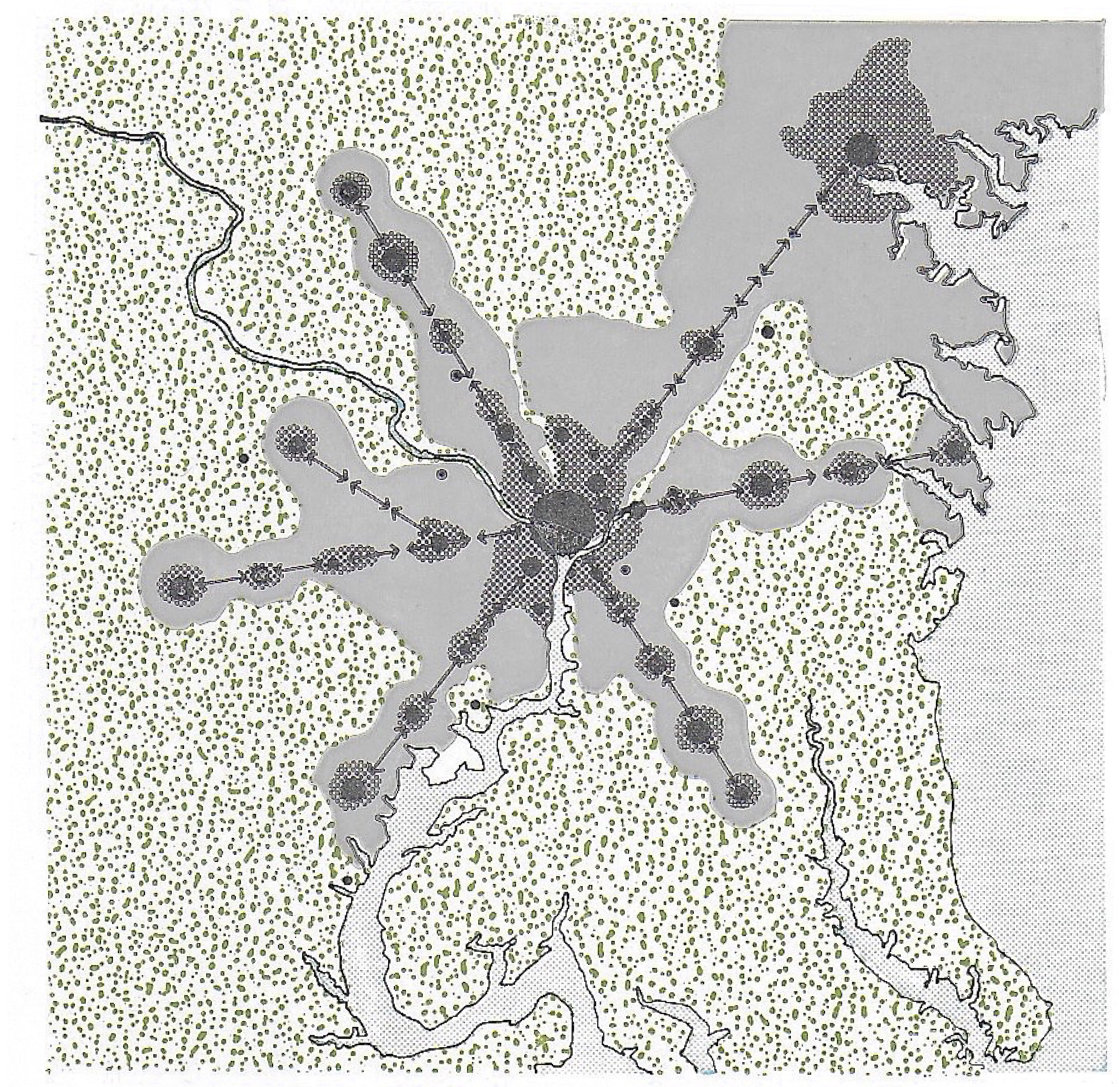
Fig. 245 (7) The recommended plan for expansion based on radial corridors.
Consideration of Urban form
428There have been two important reactions in America to the problems arising out of sprawl. The first is the great amount of thought that is being given to urban form, that is to say to the future shape of cities needed to deal more effectively with the transport problems of large urban areas. This is being done even though at present there is no effective planning machinery in sight that would enable any desired form to be implemented. One of the most interesting studies is that for Washington as it might be in the year 2000.* All the various possibilities are discussed—restriction to present size by a green belt, a series of new independent cities at a distance of about 70 miles, ‘planned sprawl’, a ring of satellite new towns, a joined-up ring of towns on a circumferential line of communication, ‘peripheral communities’, and the ‘radial corridor plan’ (Figure 245). It is the last of these that is recommended—six more or less symmetrical fingers would be pushed out for distances of 25-30 miles, each finger comprising a succession of semi-independent suburban communities strung along a radial communication corridor consisting of a first-class road and electric railway.
*The Nation’s Capital. A Plan for the Year 2000. National Capital Planning Commission and the National Capital Regional Planning Council, 1961.
429A British visitor, involved in these earnest discussions on urban form, tends at first to be perplexed and to find little relevance to the problems of his own country. Only when he realises the enormity of the population growth does he get the matter in perspective. In these suggestions for Washington, for example, it is not a matter of deciding what to do about a modest overspill from overcrowded areas, it is a matter of deciding the best way to deal with an expected expansion of population from two millions now to five millions by the year 2000. This, for one city, is indeed a mighty expansion. Yet it would be unwise to assume that our problems are any less difficult in proportion to the size of our country. As mentioned in the introduction to this Report, we shall have to find accommodation for more than 20 million extra people soon after the end of the century. If only one-third of these people attach themselves to London, or even settle in the south-east of England, as they may well seek to do, the planning problems will be formidable indeed.