Chapter 4: Some lessons from current practice
Britain: The New Towns: 373–375
Most of the towns seemed to start-off with a garage ratio of about one to every four dwellings, a figure which is now being generally altered to one to one.
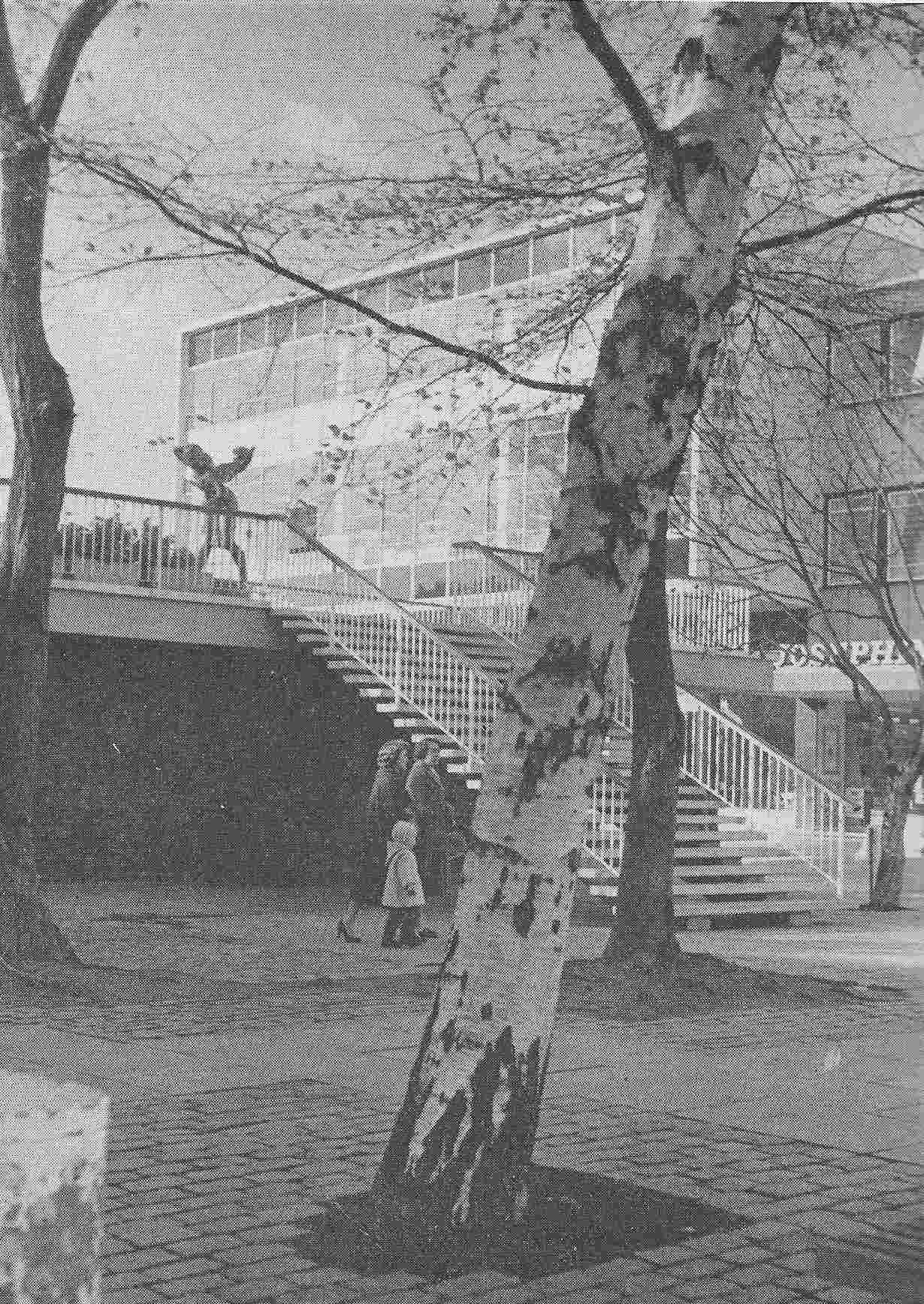
Fig. 211 The pedestrian centre at Stevenage New Town
Britain: The New Towns
373Two obvious developments for us to examine were the New Towns and the reconstructions of the bombed cities, these being the two great urban enterprises in Britain since the war. We found the New Towns not unimpressive in their arrangements for dealing with traffic, though it was quite obvious that in most cases there had been a serious under-estimate of the rate of growth of car ownership. Most of the towns seemed to start-off with a garage ratio of about one to every four dwellings, a figure which is now being generally altered to one to one. We think it is correct to say that in none of the first batch of new towns commenced after the war did the designers consciously say to themselves ‘Nearly all the people living here are going to demand motor cars in the foreseeable future, and the right to use them, so what sort of a town ought we to design to enable them to do so?’ Nor, so far as we know, were any of the towns designed with a serious attempt to forecast the traffic movements that various ways of arranging the buildings or activities would generate.
374In spite of this, the layout of the New Towns has a number of clear advantages over our older towns. The fairly simple clear-cut groupings of the main uses—residential areas, industrial areas and central shopping and business areas—have made for simple movement patterns with longer journeys concentrated onto clearly defined networks. The residential areas have been carefully protected from flows of through tratic or cross-filtration by drivers seeking short-cuts. In the town centres, always the most difficult problem, a variety of interesting layouts has been produced. They were all designed to provide pleasant and efficient surroundings free from domination by motor traffic. Stevenage is perhaps the most significant, with its central square and narrow shopping alleys quite free from vehicles.

Even though the approach to design has been intuitive, the ‘first generation’ New Towns all reveal a structure of the environmental area-network type, and it seems to work well enough at present. There must, however, be some doubt whether these towns, when put to the test that conditions of car ownership at the end of the century will impose, will function satisfactorily. The parking problem and its effect on environmental standards is likely to be acute in both residential and central areas, in spite of their present comparatively low density; and even if the road systems prove adequate for the flows that will be imposed, some deterioration of their present high standard of environment may be unavoidable. We were able to conclude from our study of Newbury that it would be possible, in a town of that size, to give people all they might want in the way of vehicle usage, though at a considerable cost, but we could not conclude from the evidence of the carlier New Towns, as planned, that the same would hold for towns in the 60,000-80,000 range of population.