Chapter 1: the working context
Frustration in the use of vehicles: 11–14
It is scarcely an exaggeration to say that finding somewhere legal to stop – whether it is convenient is almost a secondary consideration – has now become a major anxiety attendant upon every urban journey by motor vehicle
-

Fig. 10. Door to door service—departure. -
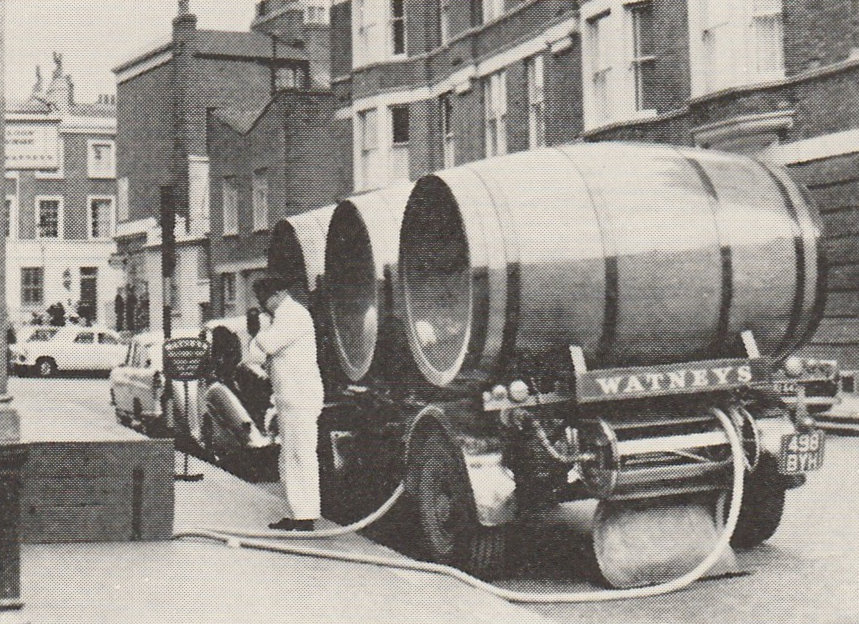
Fig. 11. Door to door service—arrival. -
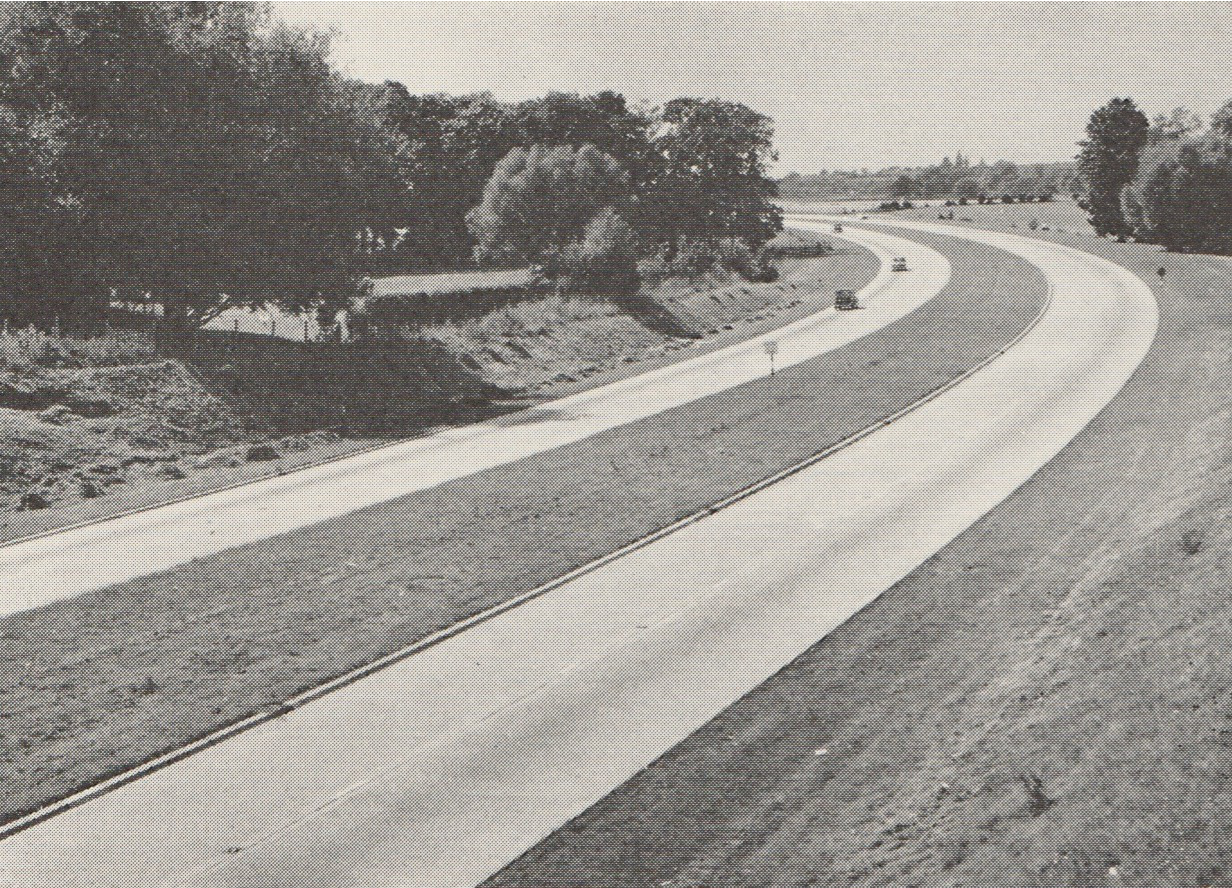
Fig. 12. Cross-country traffic—there is adequate knowledge of the kind of roads required.
Frustration in the use of vehicles
11The characteristic which distinguishes the motor vehicle from other forms of mechanical transport is its ability to provide a door-to-door service. This is being frustrated partly by the multiplication of the vehicle's own numbers, and partly by the form and arrangement of towns. Only too often the doors are unapproachable, being blocked by other traffic or affected by various regulations which have had to be imposed merely to keep traffic moving. Not even doctors can now be guaranteed a space to park outside their own or their patients' houses. The loading and unloading of goods at business and commercial premises, which commands respect as essential to the continued life of the place, is increasingly being interfered with by regulations made in favour of moving traffic. The freedom with which, only a few years ago, one could stop outside a shop and go in for some simple purchase, is now a thing of the past. It is scarcely an exaggeration to say that finding somewhere legal to stop – whether it is convenient is almost a secondary consideration – has now become a major anxiety attendant upon every urban journey by motor vehicle. This is already the case in the centres of cities and many towns, and the areas so affected spread yearly with the increasing number and use of motors.
12This is not to say that movement is not without its difficulties also. The picture is so familiar that there is little need to redraw it nor to emphasis the frustrations and irritations of traffic jams, the waste of fuel, the waste of time, and the vast and essentially unproductive effort by police, wardens, and others engaged in many capacities in regulating traffic. Suffice it to draw attention to the fact that a conveyance has been perfected which, even in its heaviest and clumsiest form, is capable of moving at a mile a minute, yet the average speed of traffic in the large cities is of the order of 11 m.p.h.
13A difficulty we have constantly met in preparing this report is to decide what weight to attach to the various aspects of the traffic problem. So much of it is a matter of personal opinion. We have had little opportunity ourselves to make quantitative studies, but where such work has been done we have attempted to search it out. The costs of traffic congestion, for example, have been studied by the Road Research Laboratory and the figure for urban areas was put as £140 millions for 1958. Allowing for the increase of traffic since then, and for the fact that the cost of congestion increases faster than the growth of traffic, the comparable figure for 1963 would be over £250 millions (Figure 13). It is a difficult matter to quantify because the journeys involved are of such complexity – there are people held up in buses, for example, some of whom may be going about important business where time really is ‘money’, but others may be merely out for a day's window shopping. There are delays to commercial vehicles of many kinds. There are delays to commuters in their own cars, where the only real hardship may be the deprivation of an extra half hour in bed in the morning. On the other hand there are business people to whom the use of a car is a very great convenience and where delays are expensive as well as irksome. To delays so various as these it is indeed difficult to assign any meaningful cost, but it must nevertheless be generally true that an enormous amount of time and money is wasted in urban traffic delays throughout the country.
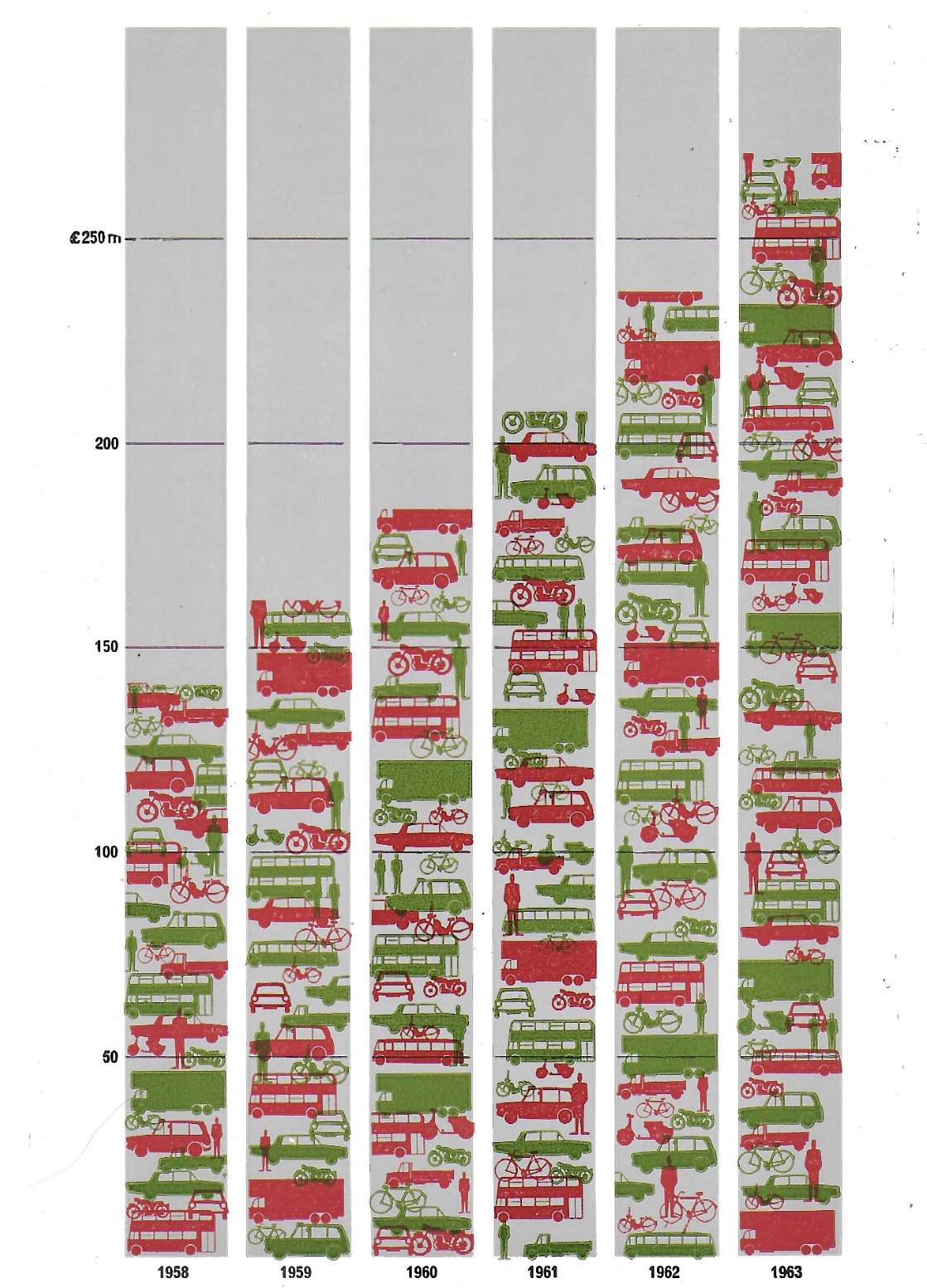
It should be emphasised that what is primarily involved in traffic delays is a most serious interference with the swift movement of vehicles, and hence with the economic efficiency of the country.