Chapter III – part three: A historic town
A problem of environmental management: 271–272
Yet, on any count, a speed of 30 m.p.h. is too great at any time in any part of the old city. Public opinion might not be prepared for a move in this direction at the present time
-
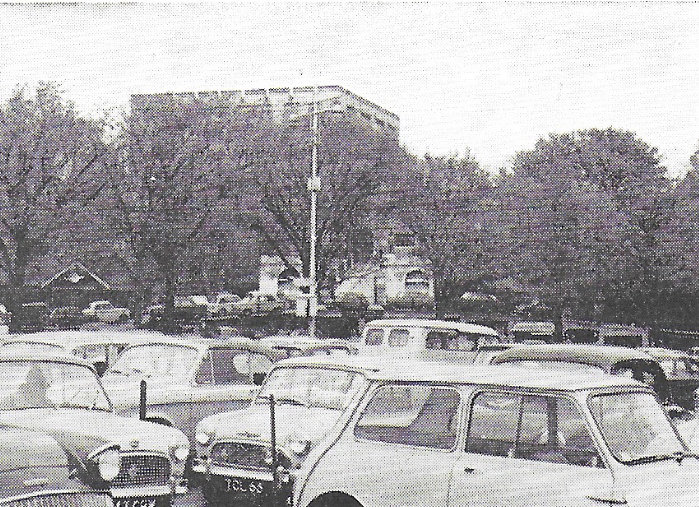
Fig. 156 Much of the setting of the Castle is used for car parking. -
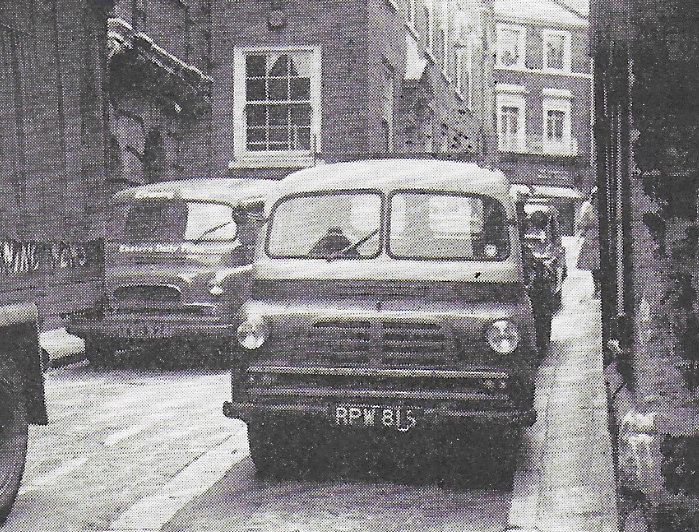
Fig. 157 Just as the standard of environment suffers from too much traffic using the ancient street network, so accessibility to the buildings suffers likewise. -
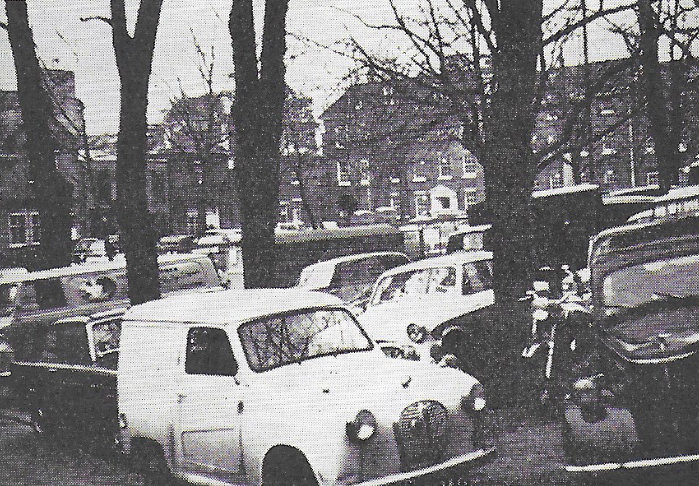
Fig. 158 Parked vehicles in Tombland. -
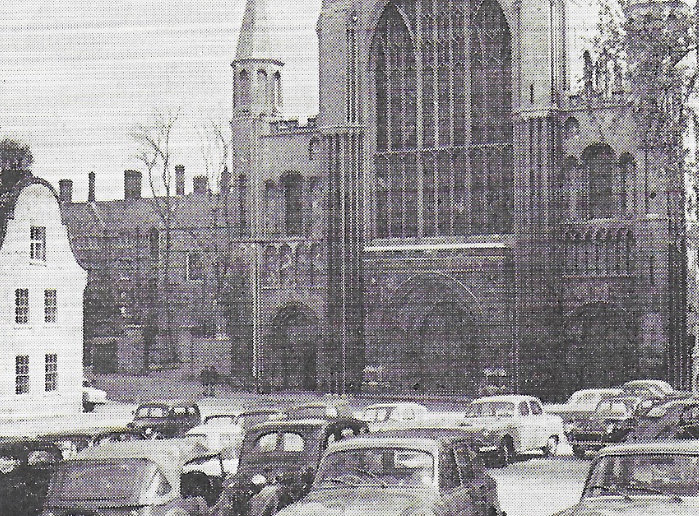
Fig. 159 Even the forecourt of the Cathedral is used for parking cars.
A problem of environmental management
271The problem resolves itself into an exercise in environmental management on a big scale, with the whole of the old city forming one potential environmental area. The steps required to establish an environmental area are as follows:
- Numbers, types and speeds of vehicles to be kept down to a level compatible with environmental standards.
- Circulation of essential traffic to destinations to be contrived, but not necessarily by the shortest route nor even with any choice of route.
- Streets and areas which are used predominantly by pedestrians to
be converted for pedestrian use only. - All through movements to be prevented.
- Internal movements to be reorganised to eliminate the conflict of criss-cross journeys.
In the particular case under discussion, the following additional measures would probably also be needed:
- Control to be exercised over change of land use within the walled city, with the object of reducing traffic generation. As a corollary, certain parts of the old city (e.g. Magdalen Street area, Ber Street area, Cowhill area, and parts in the vicinity of the Cathedral) might be retained for residential use. The purpose of this would not only be to restrain traffic generation, but also to maintain certain essential qualities of the historic city. In practice this would mean a reversal of the trend whereby houses are being replaced by industrial and commercial (as distinct from office) uses. This objective need not be in conflict with the function of the central shopping and administrative area. In fact it could well be to its advantage.
- Parking policy, especially as to the amount and location of parking space, to be firmly directed towards the environmental objectives.
- Public service vehicles might be given preference within the old city, if necessary they might be allowed to traverse areas from which other vehicles are excluded. Buses, too, might be adapted to the conditions of the old city—the use of smaller, quieter, slower-moving buses would be an advantage.
- The question of traffic speed should also be considered. At present speeds are ‘naturally’ restrained for much of the time by congestion, but when congestion eases off then 30 m.p.h. becomes legally possible.
Yet, on any count, a speed of 30 m.p.h. is too great at any time in any part of the old city. Public opinion might not be prepared for a move in this direction at the present time, but we think this is an example of the severity of discipline which is likely to be required in the future.