Chapter 1: the working context
What sort of towns: 64–66
All the indications are that given its head the motor vehicle would wreck our towns within a decade, what should we expect of towns?
-

Fig.41 ‘…people are discovering new possibilities in the interior design of buildings…’ -
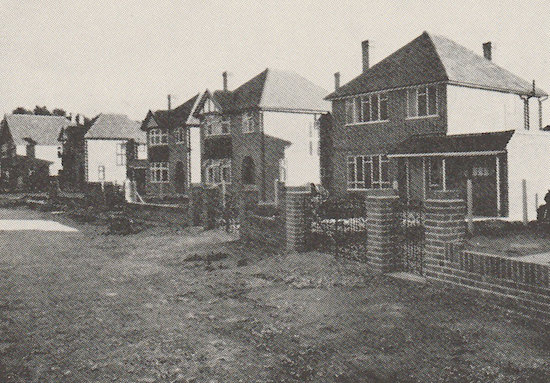
Fig.42 “…but the possibility that our daily surroundings outside our houses and offices might be amenable to design in the same way is slow in being understood’.
What sort of towns?
64This, subject to two further questions, seems to establish the context of this study. The remaining questions are perhaps the most important of all. What sort of towns ought we to be thinking about in the latter half of the twentieth century? And what are we likely to be able to afford for change and renewal? As to the first question, we know now, by bitter experience, that the motor vehicle is in conflict with the present structure of towns. By it, and because of it, grievous damage has been done to many of the things we have previously cherished. All the indications are that given its head the motor vehicle would wreck our towns within a decade, What should we expect of towns? Is it merely a matter of material convenience and accessibility for cars, or, for example, does it matter any longer what towns look like? It is an indication of the influence of the motor vehicle that it makes us take stock of these things, even to the extent of asking what sort of lives we want to lead.
65The importance of towns lies in the fact that nine-tenths of the population of the country lives, and in all certainty is going to go on living, in towns large or small. Towns are the setting in which millions of people have to live out their lives, The influence of physical surroundings upon people's lives is only now being learned. The beneficial influence of good housing, of good schools, of offices with sufficient space and adequate daylighting have already been discovered. The value of open spaces has been learned. More subtly, many people are discovering possibilities in the interior design of buildings–sheer convenience, colour, relationship of spaces and levels of which they had no previous inkling. But as yet the possibility that our daily surroundings, outside our houses and offices might be amenable to design in the same way for our delight and convenience is slow in being understood, though, judging by the numbers of visitors to famous cities–Venice, Paris, Oxford, Norwich, Cambridge–there must be something in the way some buildings have been designed and groped that touches a chord of understanding in many people.
66The overriding context in which the problems of urban traffic have to be considered is the need to create or re-create towns which in the broadest sense of the term are worth living in, and this means much more than the freedom to use motor vehicles. It is a mixture of all manner of things—convenience, variety of choice, contrast, architecture, history visible in the buildings—all more or less subtle qualities. Life in towns could no doubt be lived without any of them, but it would be a poorer and emptier life as a result. The town planner is in an unenviable position—blamed if opportunities are missed, accused if he tries to tell people what they should have. But of this there can be no doubt, that there are potentialities for enriching the lives of the millions of people who have to live in towns beyond anything most of them have yet dreamed of. It is in the context of a belief in the importance and potentialities of towns that the problems of motor traffic have to be considered.