Chapter 1: the working context
Influence of the motor vehicle towards dispersal: 55–56
It can be argued that, with the added advantages of new tele-communication techniques, there is no longer any need for concentrated towns in the traditional form
-
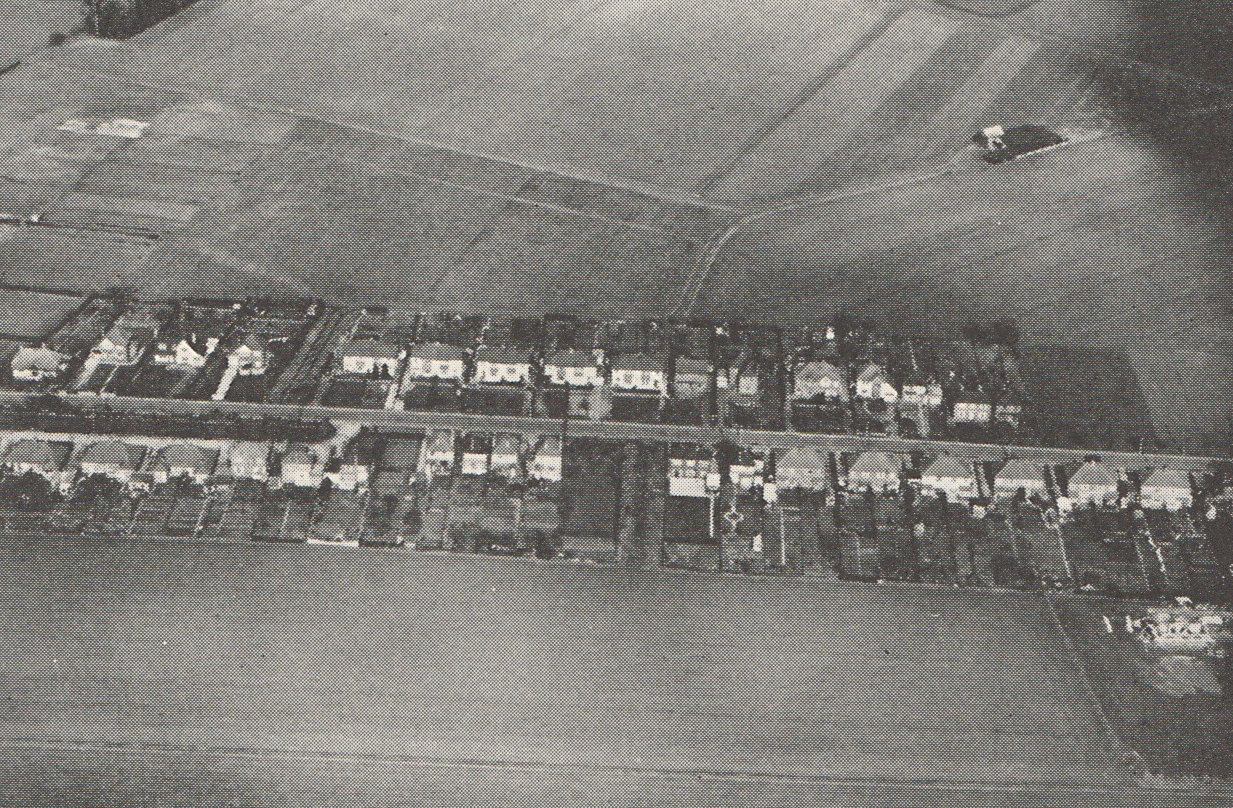
Fig.39 ‘…the outward spread and sprawl of development’.
Influence of the motor vehicle towards dispersal
55The conflict between towns and traffic obviously stems from the physical structure of towns. The manner in which the buildings and streets are put together is basically unsuitable for motor traffic. This soon became apparent after the invention of the motor vehicle because it soon exerted a strong influence toward changing the form of towns by encouraging the outward spread and sprawl of development. There have been two main reasons for this: first, the spatial demands of the vehicle itself for circulation and parking; and second, the facility of movement which the motor vehicle provides, whereby (to take an extreme example) a factory can be set up in a rural area without any serious difficulties arising over the recruitment of labour or delivery of goods.
56A case can be argued that if this is indeed the ‘natural’ influence of the motor vehicle, and if we are to have motor vehicles in very large numbers, we might as well go the whole way with this dispersal of urban areas. It can be argued that, with the added advantages of new tele-communication techniques, there is no longer any need for concentrated towns in the traditional form. Offices and exchanges can keep in close touch even though separated by long distances. Shops, it is said, give better service in suburban areas than in crowded city centres. Theatres restaurants, museums, clubs, zoos and the other things we have previously thought fit to concentrate in centres, could just as well be scattered about, provided they were intelligently sited in relation to a main highway network, and in this way they might be even more accessible to more people than they are now. What does a 30 mile drive to a theatre signify if it can be comfortably made in 30 minutes?