Chapter 1: the working context
How serious are these effects?: 33–35
Does it really matter that conversation on pavements, and even inside buildings, should be virtually impossible in many places on account of traffic noise?
-

Fig.28 ‘…dreary, formless car parks…’ -
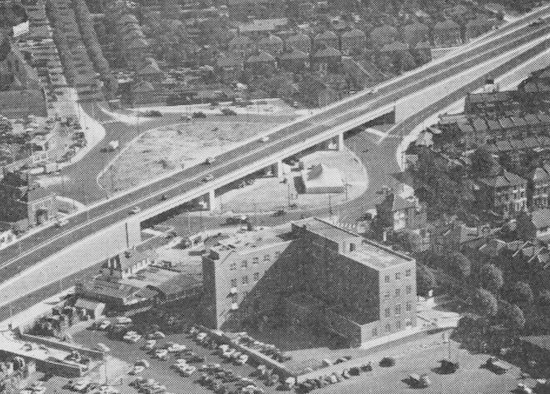
Fig.29 ‘…highway works violently out of scale with the more modest dimensions of the towns through which they pass’. -
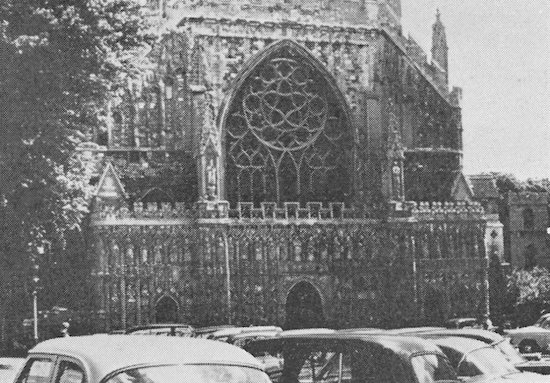
Fig.30 ‘…little hesitation in using cathedral closes for car parking' (Exeter). -
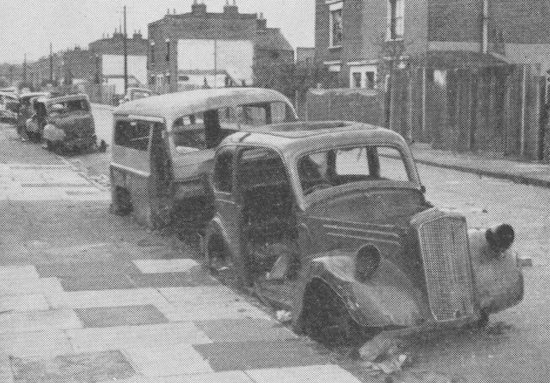
Fig.31 ’…Derelict cars are allowed to stay’. -

Fig.32 ‘…Indifference to visual intrusion leads eventually to a slovenly disregard for the quality of surroundings’.
How serious are these effects?
33We have briefly described the adverse consequences of motor traffic in towns, giving such figures as are available to illustrate their seriousness. But even so, when a comparison is made with other problems of the day, it is very much a matter of judgement. Accidents, as we have already concluded, obviously must be taken very seriously. There is no need to elaborate this point further. But how serious is it that elderly people should be frightened of crossing the road, or should feel confused or even dazed by the close passage of heavy vehicles? What weight should be attached to the anxieties of parents when their children are out on the road? Does it really matter that conversation on pavements, and even inside buildings, should be virtually impossible in many places on account of traffic noise? If it proves to be the case that there is a connection between exhaust fumes and lung cancer then this will be a serious matter, but apart from this are fumes really a nuisance? And when it comes to the visual intrusion of the motor vehicle is there any evidence that this worries more than a very few people? The London Squares, which were originally conceived as the setting for the surrounding buildings, are full of parked cars and many serve also as part of major traffic routes; little architectural gems such as Queen Anne's Gate, or (to move abroad) the Place Vendôme in Paris, are packed with cars every weekday; there is little hesitation in using cathedral closes for parking, and any revenues are gladly received by the ecclesiastical authorities; in the United States, where so much has been done to create beautifully landscaped residential areas, the cars stand out all over the place and are accepted as part of the scene, and the disused garages are converted to stores or playrooms. Is it realistic in these circumstances to be concerned about visual intrusion at all?
34These are very difficult, subjective questions, yet they are vitally important because the answers given to them will determine the character of the traffic problems, and hence the nature of the policies to be applied. The standpoint we take in this appreciation is a simple one. It is that no person confronted with the issues, from accidents to visual intrusion, and burdened with the responsibility of deciding upon them, could do other than conclude that they are indeed very serious matters. To take any other view would be to put oneself out of line with a whole section of social endeavour directed over many years to the raising of environmental standards, and the promotion of understanding and enjoyment of the visual arts, architecture and landscape design.
35Out of all the matters mentioned, the question of visual intrusion is the most debatable. It is sometimes said that the motor vehicle ‘is part of modern life and must be frankly accepted as such’. The counter argument is that indifference to visual intrusion leads eventually to slovenly disregard for the quality of surroundings. Permanent parking at the kerbside, for example, becomes accepted, then maintenance and running repairs are accepted, derelict cars are allowed to stay, the street garbage and litter are accepted for they cannot be swept away, the oil stains and grease are accepted. The open parking lot is accepted and with it the damaged kerbs, broken railings and battered signs that hard usage invariably leads to. And so it goes on, with it all, it can be argued, comes increasing disrespect for the whole architectural and historic heritage. There is nothing it can be held, in the experience of the United States, to suggest that frank acceptance of the visual impact of the motor vehicle is leading to the emergence of any new kind of brilliant, lively urban townscape. On the contrary it is producing unrelieved ugliness on a great scale. Once again we have to take a standpoint in this study, and our conclusion is that visual intrusion is a serious matter to which society perhaps after some false starts and bitter experience, will be bound to pay serious heed. This conclusion may not easily be accepted or even understood in terms of today's traffic loads and their impact on existing surroundings. But we are concerned with the future when, unless positive policies are adopted and implemented, the number of vehicles will be great as to dominate the visual scene entirely.